

Underfloor heating
Underfloor heating is a modern and energy-efficient way to warm your home. It’s cleaner, more sustainable, and can help lower carbon emissions.
How it works
Low temperature hot water moves through pipes under your floor. It heats the space evenly and quietly. Unlike radiators, heat is distributed slowly and evenly across the space.
Underfloor heating works at lower temperatures than radiators. This means it uses less energy, costs less, and makes your home more efficient.
Underfloor heating systems take longer to warm up because they operate at lower temperatures and cover a large area. It may take time to reach your desired temperature. Set the temperature slightly earlier so that rooms are warm when you need them.
The size of your property and the type of floor, such as tiles, wood, or carpet, can affect warm-up times.
Controlling your underfloor heating using a thermostat
To maximise comfort and efficiency, use thermostats to control your heating. Smart thermostats allow for ‘zoning’, meaning you can:
- Set different temperatures in different rooms/zones
- Schedule heating to match your daily routine
- Reduce heating in unused rooms/zones to save energy
Check the instructions from the manufacturer to find your home’s thermostat info. You should have received these when you moved in.
Getting the most out of your underfloor heating
Radiators typically need to be heated to around 65-75°C to heat a room effectively. In contrast, underfloor heating systems usually operate at lower temperatures.
Here are some tips to maximise your comfort levels and efficiency of your underfloor heating system.
Maintain a consistent temperature
It’s more efficient to maintain a constant temperature (between 18-20°C) instead of turning it off and on. This helps maintain warmth and prevents long heat-up times.

Use a thermostat
Use your thermostat to set the temperature slightly earlier so rooms are warm when you need them. Lowering temperatures in unoccupied rooms will reduce energy costs.

Avoid overheating
Underfloor heating works slowly and steadily, so avoid dramatic temperature changes. Heating the system higher than necessary doesn’t warm the space faster but does increase energy consumption.
Use zoned heating
You can set different temperatures in different rooms/zones, each controlled separately. This is efficient as you can heat only the rooms in use, rather than the entire house.
Recommended Temperature Settings
Using your thermostat, you can change the temperatures in different rooms/zones. For example you may want your living area warming than your bedroom. The below temperatures are just a guide and it all depends on your routine, your schedule and your preferred temperature.
Living room
You might often use your living room for relaxation, so maintaining a comfortable temperature during active hours is ideal.
| Time | Suggested temperature | Description |
|---|---|---|
| From 5am | 21°C | Start your morning at a comfortable temperature. |
| From 9am | 18°C | Reduce the temperature during the day to save energy when the room is not being used. |
| From 4pm | 20°C | Preheat the room before you need it for evening comfort. |
| From 6pm | 21°C | Warmer temperature for relaxation during the evening. |
| From 9pm | 20°C | Lower the temperature at night to save energy. |
| Overnight | 18°C | Maintain a minimal temperature during the late hours. |
Bedroom
You may want a cooler temperature in the bedroom, to promote restful sleep.
| Time | Suggested temperature | Description |
|---|---|---|
| From 4am | 18°C | Start your morning at a comfortable temperature. |
| From 9am | 16°C | Reduce the temperature when the room is empty during the day. |
| From 6pm | 17°C | Set a minimal but comfortable temperature for early evening. |
| From 8pm | 18°C | Warmer setting for evening relaxation if using the bedroom. |
| From 10pm | 16°C | Cooler temperature for optimal sleep. |
| From 11pm | 15°C | Minimal setting to save energy during late hours. |
How long does it take to heat up?
Underfloor heat-up times vary based on:
- The size of the room
- The heat-loss and the insulation of the space
- The type of floor finish (tiles, wood, carpet)
- The type of system and its heat source
How can my underfloor heating be serviced?
All serviceable parts and plumbing joints are located in the manifold above the floor so they are accessible.
Metropolitan recommend that your underfloor system is serviced by a qualified plumber.

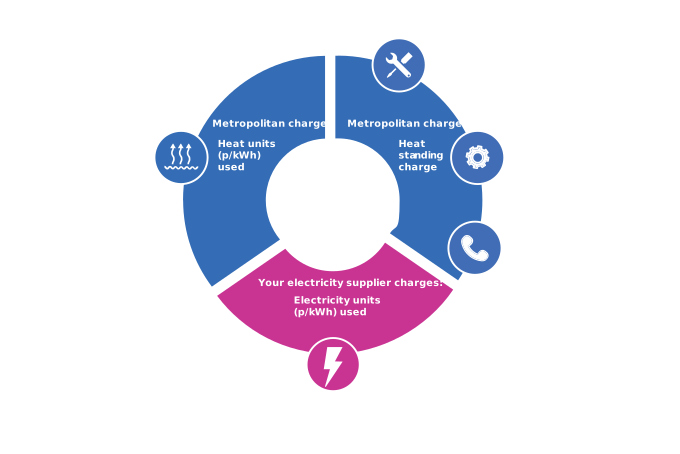
 Unit rate
 Standing charge
 Electricity used – charged by your electricity supplier