


What are ground source
heat networks?
Cleaner, greener heating
A ground source heat network is a low-carbon, energy-efficient way of heating homes without using gas. They use natural heat from the ground and electricity to keep your home warm all year round, even in cold weather.
Unlike traditional gas boilers, ground source heat networks do not burn fuel. Instead, they transfer renewable heat from the ground to your home, making them one of the cleanest and most future-proof ways to heat homes in the UK.
Ground source heat networks offer reliable, low-carbon heating and is designed to support the UK’s transition away from fossil fuels – while still giving you the comfort and control you expect in your home.
Every 1 kWh of electricity generates 3 to 4 kWh of heating – providing 100% heating and hot water needs throughout the year. That is…
3-4 times
more efficient than gas. This means more heat is produced using less energy, helping keep running costs lower.
How does a ground source heat network work?
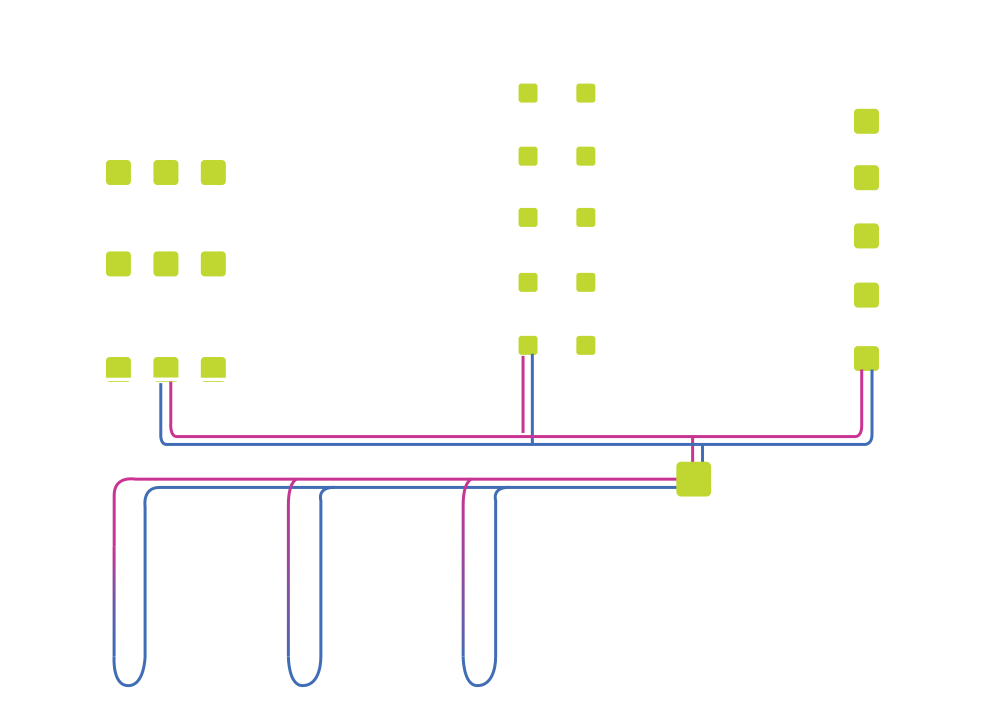
In simple terms, the system captures natural heat from the ground, boosts it using highly efficient heat pumps, and delivers it to homes as hot water through insulated pipes.
1. Heat is taken from the ground
Pipes are placed deep underground in boreholes and filled with a water and anti‑freeze mix. As the liquid flows through the pipes, it absorbs natural heat from the ground, which stays at a steady temperature all year. The warmed liquid is carried through flow and return pipes to a central manifold and into each home.
2. The heat pump warms it up
The ground source heat pump in your home takes this heat and uses electricity to increase the temperature. There is no gas, no flames, and the system runs automatically.
3. Your home is heated
The heat is sent to your radiators or underfloor heating and provides hot water for taps and showers. You control the temperature using a thermostat.
Why Ground Source Heat Networks are more efficient than gas
Uses renewable heat
Unlike gas boilers, which burn fossil fuels to create heat, Ground Source Heat Networks capture renewable energy from the ground. This reduces carbon emissions and supports national net‑zero targets.
More efficient
Heat pumps are highly efficient because they move heat rather than generate it. For every unit of electricity used, a heat pump can typically deliver three to four units of heat. This level of efficiency is far higher than traditional gas boilers.
No combustion in the home
There is no gas burning inside the property. This removes flues, reduces maintenance needs, and improves indoor air quality.
Benefits of Ground Source Heat Networks

Heating all year round
Ground temperature stays consistent and warm even in winter. This helps keep your home cosy whatever the weather outside.

Cheaper to run
Using renewable ground energy provides greater cost savings than individual air‑source heat pumps.

Energy efficient
Ground source heat pumps are highly efficient, producing three to four units of heat for every unit of electricity used.

Better for the environment
Because ground source heat pumps don’t use gas, they create less carbon emissions, supporting greener living.

Maintained by us
We’ll service your heat pump every two years. All servicing, repairs and replacement are included in our service at no extra cost to you, so there’s no unexpected bills to worry about.

Quiet and safe
The heat pump makes less noise than most traditional boilers. There are no combustion, flames or flues inside your home and no risk of carbon monoxide leaks.
Supporting low-carbon and the Future Homes Standard
Ground source heat networks play a key role in supporting the UK’s transition to low-carbon housing:
- They align with the UK’s Net Zero 2050 targets by eliminating fossil fuel use for heating
- They are compatible with the Future Homes Standard, which aims to significantly reduce carbon emissions from new homes and avoid reliance on gas heating